Furnished apartment and studio rentals in Paris Alésia Area.
Rent your furnished apartment or studio in Paris Alésia Area.
Alésia is situated between Montparnasse and the commune of Montrouge. In the past, it was home to families of storekeepers and laborers. Alésia is now a sought-after residential district host of stores. It offers the opportunity to live in a residential area with gardens or private courtyards, and more. The district is lively and very popular with families and young people! Alésia is particularly famous for its inexpensive fashion stores. You can find big names like Cacharel, Sinéquanone, Sonia Ryckiel, and Chevignon at unbeatable prices.
1-40 / 51 rentals of apartments
The Paris Attitude experience
Need help with your search?
Our advisors are available to answer your questions and guide you.

Denfert Rochereau, Paris 14
Balcony
/Month

Petit Montrouge, Paris 14
2 bathrooms
/Month

Alésia, Paris 14
Balcony • Lift
/Month

Alésia, Paris 14
/Month

Alésia, Paris 14
Lift
/Month

Alésia, Paris 14
/Month
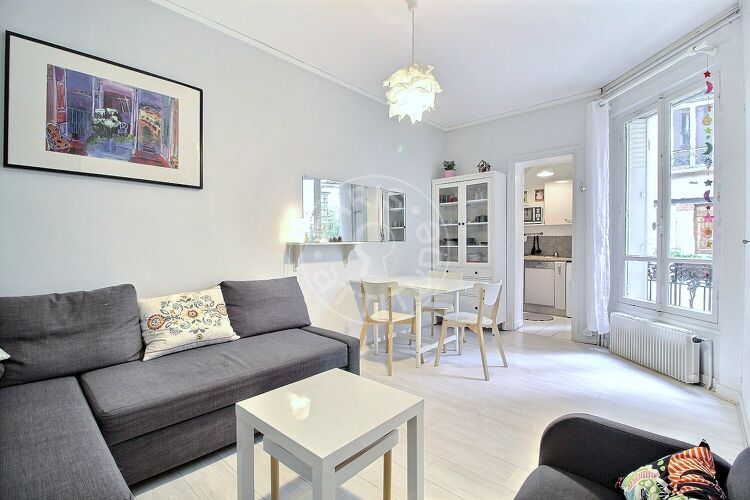
Alésia, Paris 14
/Month
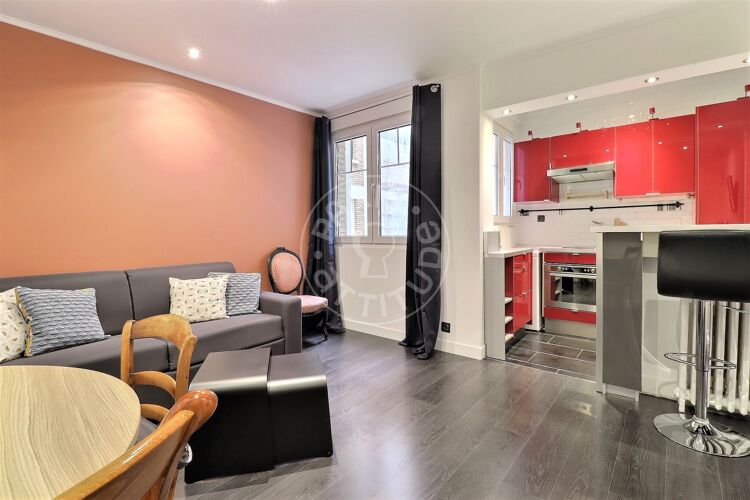
Alésia, Paris 14
Lift
/Month

Alésia, Paris 14
Lift
/Month
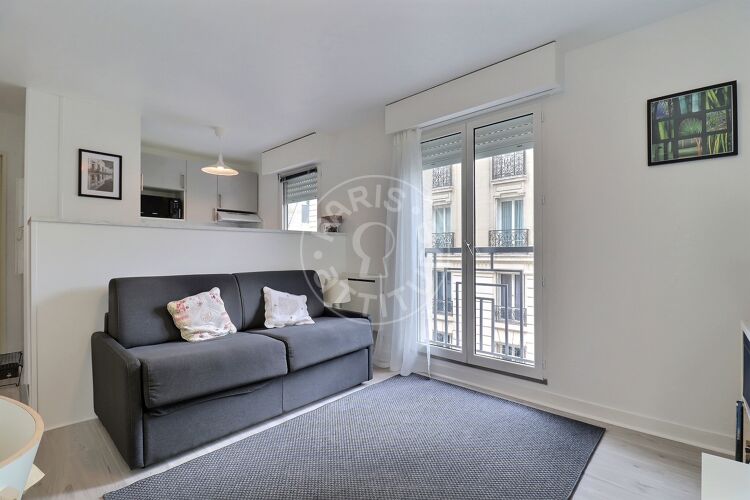
Alésia, Paris 14
Lift
/Month
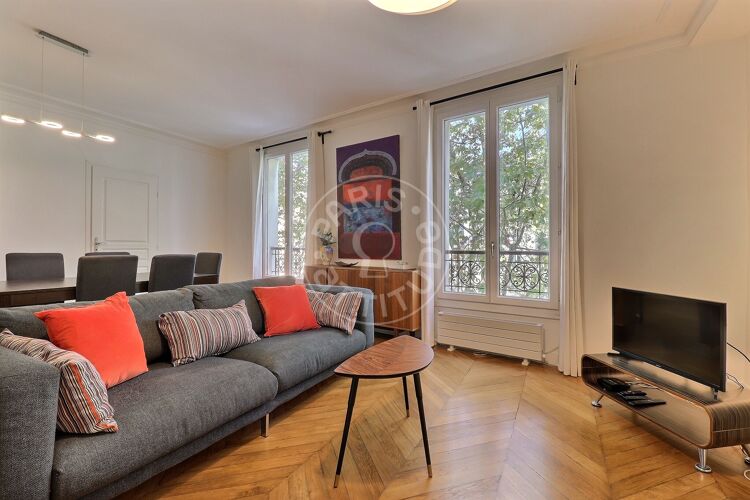
Alésia, Paris 14
2 bathrooms
/Month

Alésia, Paris 14
Lift
/Month
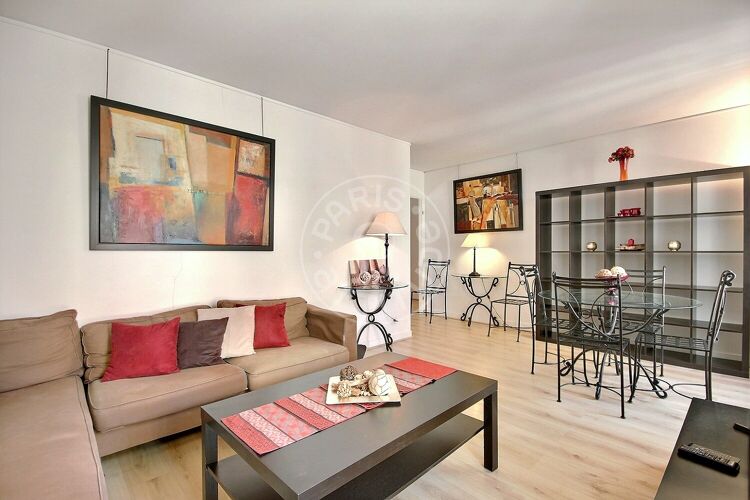
Montparnasse, Paris 14
Lift
/Month
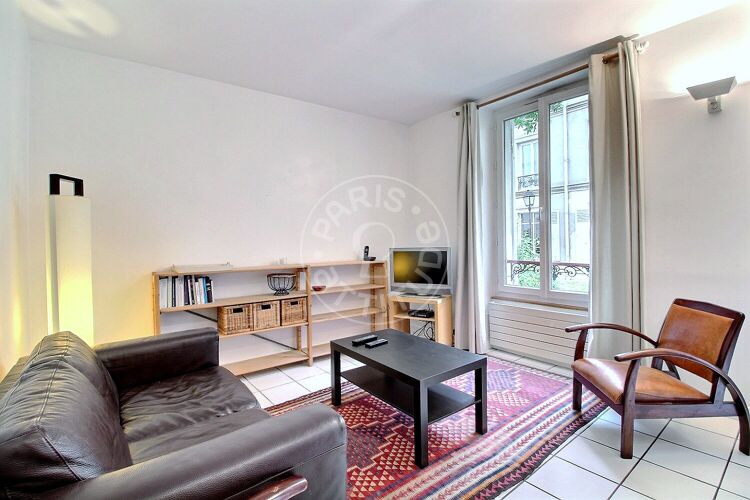
Alésia, Paris 14
/Month

Alésia, Paris 14
/Month
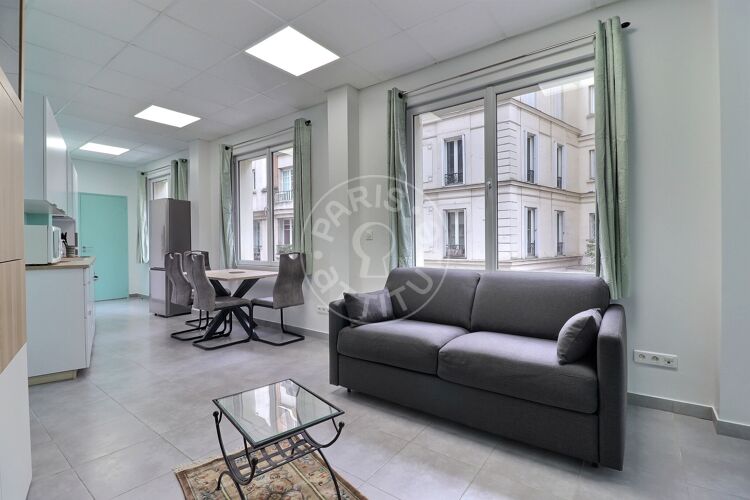
Alésia, Paris 14
/Month

Petit Montrouge, Paris 14
Lift
/Month

Alésia, Paris 14
Lift
/Month
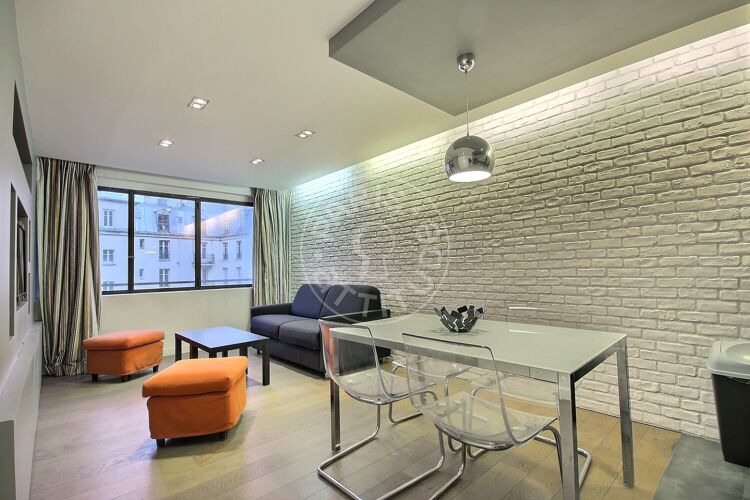
Alésia, Paris 14
Lift
/Month
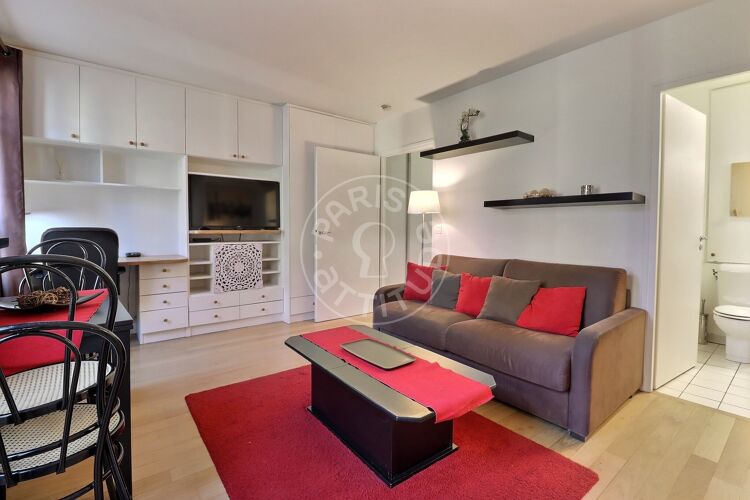
Montparnasse, Paris 14
Exceptional view • Lift
/Month
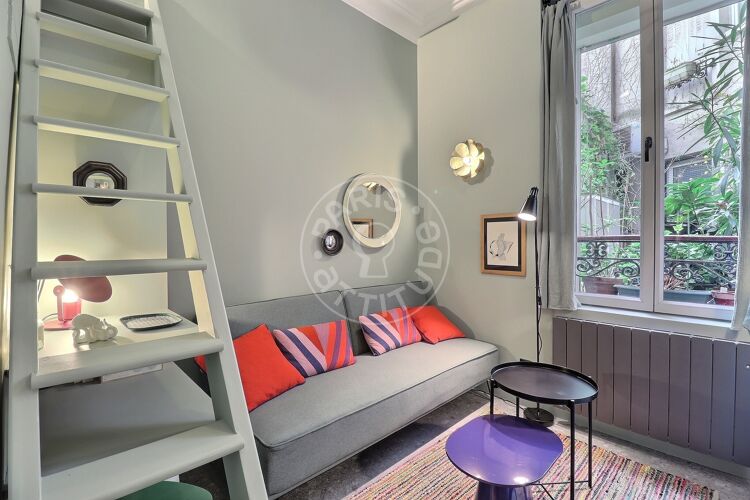
Alésia, Paris 14
/Month
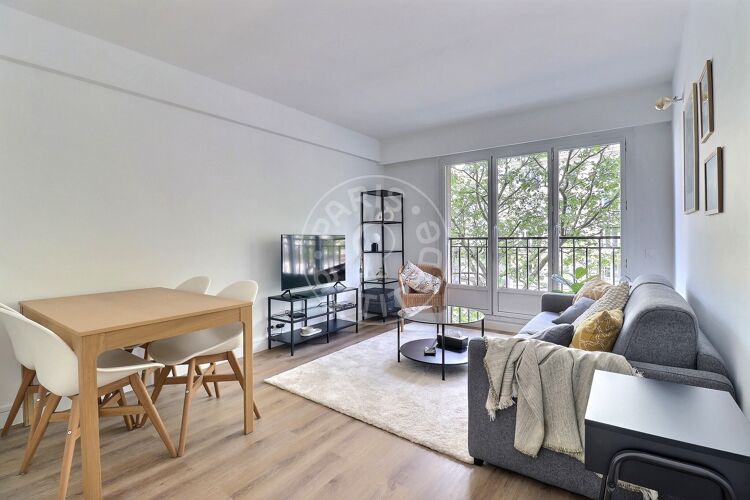
Alésia, Paris 14
Lift
/Month

Alésia, Paris 14
/Month
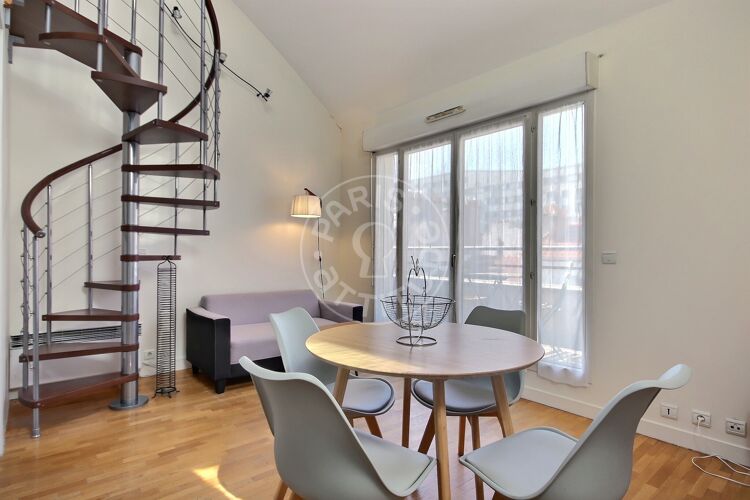
Alésia, Paris 14
Terrace • Air conditioning
/Month
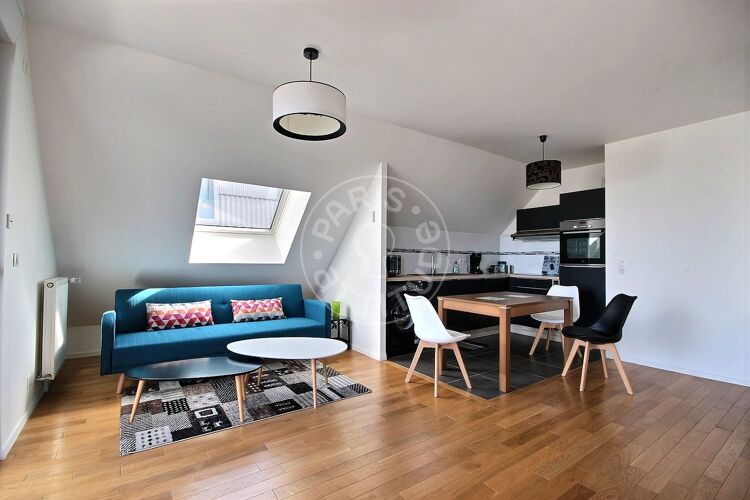
Montsouris, Paris 14
Balcony • Lift
/Month
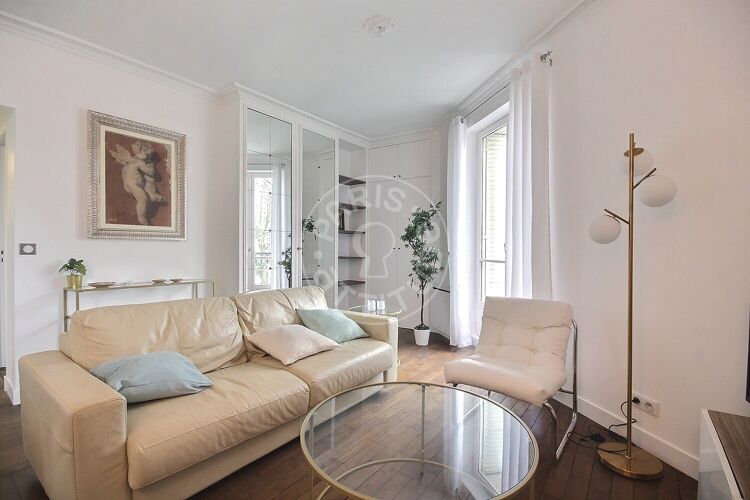
Denfert Rochereau, Paris 14
Terrace • Lift
/Month

Alésia, Paris 14
Balcony • Lift
/Month

Alésia, Paris 14
/Month
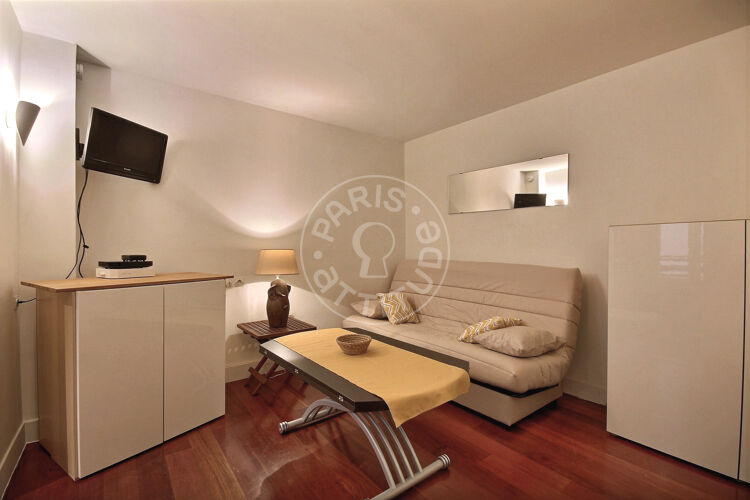
Alésia, Paris 14
/Month

Alésia, Paris 14
/Month
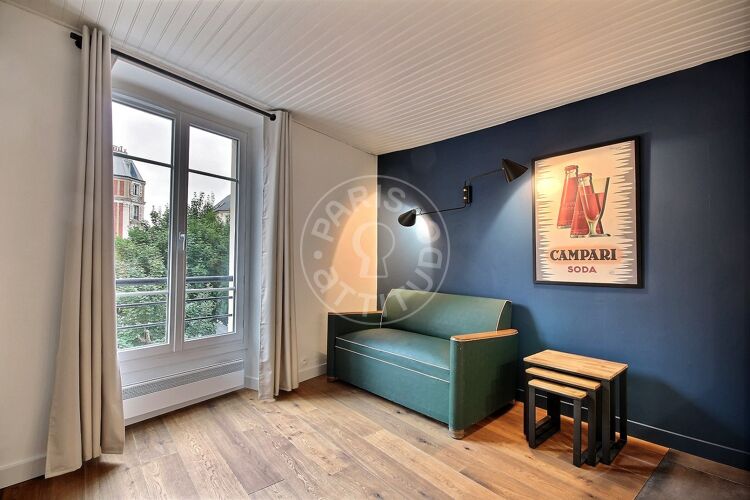
Alésia, Paris 14
/Month

Alésia, Paris 14
/Month

Alésia, Paris 14
/Month

Alésia, Paris 14
/Month

Alésia, Paris 14
Lift
/Month
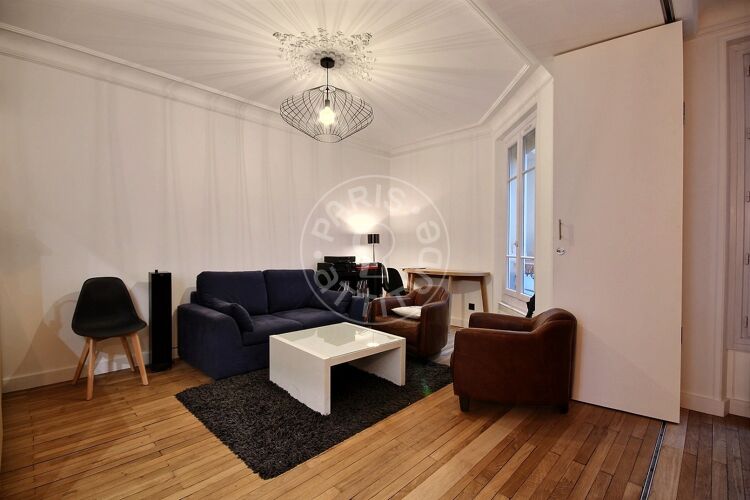
Alésia, Paris 14
/Month

Montparnasse, Paris 14
Lift
/Month
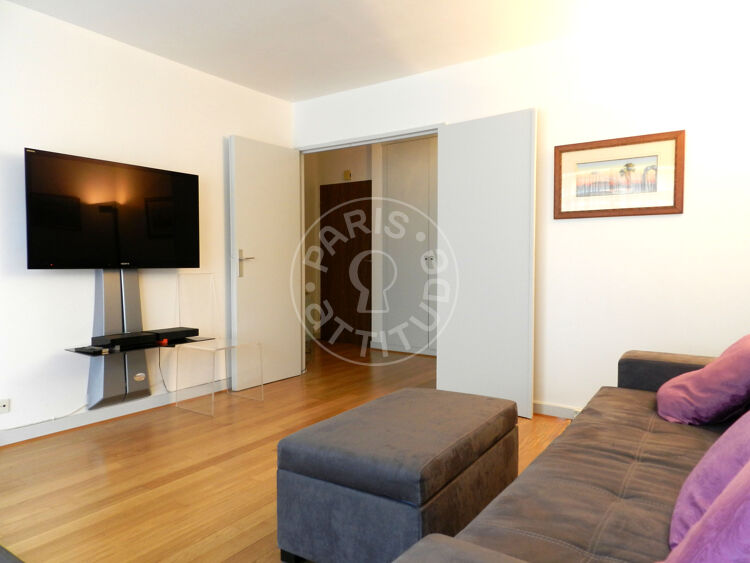
Alésia, Paris 14
Balcony • Lift
/Month

Alésia, Paris 14
/Month

Charenton-le-Pont
Terrace • Lift
/Month
An underground historic attraction
The main tourist attraction in the Alésia district can be found about 65 feet underground. This is the Paris Catacombs located by Place Denfert-Rochereau. Another interesting feature of Alésia is its architectural diversity: Haussmann-style buildings, single-family residences, post-war architecture, plaster facades, etc. The district also has a large number of artists' workshops. The famous painter Édouard Manet even depicted Alésia in his 1870 painting Effet de neige à Petit-Montrouge (Effect of Snow on Petit-Montrouge).
Transportation in the heart of the district
Metro line 4 runs through Alésia station in the very heart of the district. The station can be accessed near the centrally located Place Victor-et-Hélène Basch, which is dominated by the Eglise Saint-Pierre de Montrouge. Because it takes its name from the Battle of Alésia between Vercingetorix and Julius Caesar, the station was chosen for the animated movie The Twelve Tasks of Asterix. Everything you need can be found here: grocery stores, bakeries, pharmacies, transportation, etc.
Nearby districts
- Furnished apartment and studio rentals in Paris Denfert Rochereau Area
- Furnished apartment and studio rentals in Paris Montparnasse Area
- Furnished apartment rentals in Montrouge
- Furnished apartment and studio rentals in Paris Montsouris Area
- Furnished apartment and studio rentals in Paris Plaisance/Pernety Area
Nearby arrondissements
Are you an owner?